9 Quick Ways On How To Improve Conversion Rate For 2026
Consumers are exposed to a large amount of online advertising every day, including paid advertisements, sponsored content, customer recommendations, and marketing messages from businesses. This can make people more selective about where they spend their time and money. They may also leave a website or landing page before completing a purchase if they encounter obstacles along the way.
Factors such as complicated checkout processes, slow website performance, and poor user experience can all affect purchasing decisions. Analysing user behavior helps businesses understand where visitors lose interest and where improvements can be made. Strategies such as testing different versions of webpages, forms, and calls to action can help identify what works best for your audience.
Businesses are placing greater importance on online sales as more people choose to shop online. The convenience of home delivery, easy access to products, and competitive pricing have encouraged customers to make purchases with confidence. As a result, many businesses are focusing on growing their online presence and reaching a wider audience.
However, increased competition means that attracting website visitors is no longer enough. Converting those visitors into customers has become more challenging, even when marketing campaigns generate strong visibility. This is where conversion rate optimisation (CRO) becomes important. By measuring a CRO, your businesses can better understand website performance and identify metrics you can impact to improve results.
The following strategies can help improve conversion rates, increase revenue, strengthen brand awareness, and build long-term customer loyalty.
The Definition Of Conversion Rate
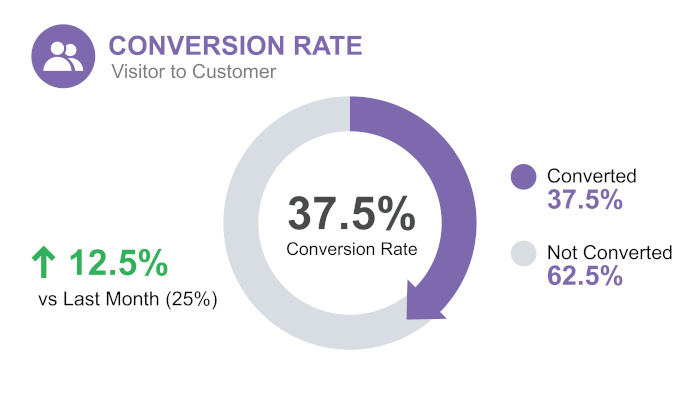
Conversion rate is a metric used to measure how effectively a website or app encourages visitors to take a desired action. This action may include making a purchase, signing up for a newsletter, completing a contact form, or downloading an app.
It is calculated by comparing the number of people who complete the action with the total number of visitors to the website or app. In simple terms, clicks / actions = conversion rate, showing how many visitors take the next step after interacting with your website or app.
Conversion rate is an important performance indicator because it helps show how successfully a website or app is achieving its intended goals. A strong conversion rate often suggests that visitors are finding it easy and worthwhile to take the next step.
Why Is Improving Conversion Rate Important?
Conversion rates can have a significant impact on business performance. When a website is effectively designed to guide visitors towards taking action, marketing activities are more likely to deliver stronger results, sales and a better return on investment.
By monitoring and analysing conversion rates, businesses can gain a clearer understanding of how well their marketing efforts, website design, and user experience are performing. This information can help identify opportunities for improvement and support informed decisions based on real data.
Conversion rate optimisation is also valuable for measuring the success of specific business initiatives. Whether introducing a new marketing campaign, updating a website, or adding new features, comparing conversion rates before and after the changes can help businesses understand their impact. This allows for more informed planning and continuous improvement over time.

How To Measure Metrics You Can Impact
Improving conversion rates starts with measuring the right information on a regular basis. Some of the most important performance indicators for retail businesses include:
- In-store conversion rate
- Online conversion rate (for businesses that sell both in-store and online)
- Average transaction value (the average amount spent per purchase)
- Units per transaction (the average number of items bought in each sale)
- Cart abandonment rate
- Repeat purchase rate
- Promotion conversion rate
- Stock availability and sell-through rates
- Customer traffic and time spent in-store
To calculate your conversion rate, divide the number of people who complete a desired action by the total number of people who visit the page. Conversion rate optimisation focuses on improving your website so more visitors are encouraged to take that action.
For example, if 1,000 people visit a page selling jackets and 50 of them add a jacket to their cart, the conversion rate is 5%.
Measuring conversion rates helps you understand how well a page is performing and whether it is successfully encouraging visitors to take action.
1. Optimize Your Website Speed And Performance
Have you ever clicked on a website and waited for it to load, only to leave because it was taking too long?
Website loading speed can have a significant impact on conversion rates. Internet users expect websites to load quickly, and even a short delay may be enough to cause some visitors to leave before taking action. This is especially important for ecommerce websites, where slow-loading pages can lead to abandoned carts and lost sales. A slow website can also reduce the effectiveness of email marketing campaigns, as visitors who click through from an email may leave before the page has fully loaded.
As a result, slow website performance can reduce enquiries, sales, and other valuable conversions.
Why it’s important:
- Creates a smoother user experience: Faster loading times help visitors move through your website more easily and with less frustration.
- May support SEO performance: Search engines generally favour websites that load quickly, which can help improve visibility in search results.
- Builds confidence: A fast and responsive website can appear more professional and trustworthy to potential customers.
Ways to improve website speed:
- Optimise images and videos: Large media files can slow down a website. Compressing these files can improve loading times while maintaining quality.
- Reduce unnecessary code: Streamlining CSS, JavaScript, and HTML files can help pages load more efficiently.
- Enable browser caching: This allows returning visitors to load pages more quickly by storing certain website files on their device.
- Use a Content Delivery Network (CDN): A CDN can improve loading times by delivering website content from servers located closer to the visitor.
Regularly monitoring website performance can help identify slow-loading pages and show how delays affect visitor behaviour. This information can help businesses prioritise improvements that enhance the user experience and support stronger conversion rates.
2. Remove Distractions From Your Landing Page
Giving visitors too many choices can make it harder for them to take action. When someone lands on an important page, extra links, banners, or competing messages can distract them from the main goal and increase the chance that they will leave the website.
Why it’s important:
- Keeps visitors focused: Simpler pages make it easier for people to concentrate on the most important action.
- Reduces confusion: Fewer choices can help visitors make decisions more quickly and confidently.
- Can improve conversion rates: Clear and straightforward pages often encourage more people to complete the desired action.
Ways to reduce distractions:
- Remove unnecessary navigation: Limit links and other exit points on landing pages and checkout pages.
- Focus on one main call to action: Make it clear what action visitors should take next.
- Reduce visual clutter: Use spacing and simple layouts to guide attention to important information.
- Keep your message consistent: Headlines, images, and calls to action should all support the same goal.
- Review pages regularly: Remove elements that may distract visitors or make the page harder to use.
Analysing visitor behaviour can help businesses identify where people lose interest or become distracted. This information can be used to create a clearer and more focused user experience that encourages more conversions.

3. Streamline Your User Journey And Navigation.
A website should make it easy for visitors to find what they need and take the next step. If a website is confusing or difficult to navigate, visitors may become frustrated and leave before completing an action. Every page, button, and form should have a clear purpose and help guide users towards their goal.
Why it’s important:
- Provides a clearer experience: A simple and well-organised website helps visitors understand what to do next.
- Reduces drop-offs: Fewer obstacles mean visitors are less likely to leave before completing an action.
- Improves user experience: Easy-to-use websites create a more positive impression and can encourage visitors to return.
Ways to improve navigation and usability:
- Simplify navigation menus: Use clear labels and keep menu options organised and easy to understand.
- Reduce form fields: Only ask for information that is necessary to complete the action.
- Use progress indicators: For multi-step forms or checkouts, show visitors how far they have progressed and how many steps remain.
- Test your website with real users: Watching how people use your website can help identify confusing areas and opportunities for improvement.
Reviewing how visitors move through your website can help identify where they become confused or leave the process. This information can be used to simplify the user journey, improve the overall experience, and support higher conversion rates.
4. Personalise The User Experience
People are more likely to engage with a website when the content feels relevant to their needs and interests. Generic experiences often have less impact than content, recommendations, and offers that are tailored to individual visitors. Personalisation is about providing the right information to the right person at the right time.
Why it’s important:
- Creates more relevant experiences: Personalised content can better match what visitors are looking for.
- Encourages engagement: Visitors are more likely to explore a website when the content is relevant to their interests.
- Can improve conversion rates: Relevant recommendations and offers may increase the likelihood of visitors taking action.
Ways to personalise the user experience:
- Segment your audience: Group visitors based on factors such as interests, behaviour, or demographics.
- Display relevant content: Show different content or offers to different groups of visitors.
- Provide personalised recommendations: Suggest products or services based on previous browsing activity or purchases.
- Send targeted emails: Follow up with content, offers, or recommendations related to a visitor’s recent interactions with your website.
By using customer data responsibly, businesses can create more relevant and engaging experiences. This can help strengthen customer relationships, encourage repeat visits, and support improved conversion rates over time.

5. Implement A/B Testing And Continuous Optimisation
Making decisions based on assumptions can lead to missed opportunities. Testing allows businesses to use real data to understand what works best for their audience. Conversion rate optimisation is an ongoing process, and regular testing can help improve results over time.
One of the most common methods is A/B testing, where two versions of a webpage or website element are compared to see which performs better.
Why it’s important:
- Supports informed decisions: A/B testing uses real visitor behaviour rather than assumptions.
- Encourages continuous improvement: Small changes can lead to meaningful increases in conversion rates over time.
- Identifies new opportunities: Testing can reveal improvements that may not have been obvious at first.
Ways to use A/B testing effectively:
- Start with a clear idea: Identify a change you believe may improve conversions, such as updating a call-to-action button or changing a headline.
- Test one change at a time: This makes it easier to understand which change affected the results.
- Allow enough time for testing: Collect enough data before deciding which version performed better.
- Review and apply the results: Use the insights gained from each test to guide future improvements.
Combining test results with visitor behaviour data can provide a deeper understanding of how people interact with your website. This information can help businesses make more confident decisions and continually improve their conversion rates.
6. Craft Compelling Calls To Action (CTAs)
A visitor may arrive on your website interested in what you offer, but without clear guidance, they may not know what to do next. A call to action (CTA) helps direct visitors towards the next step, whether that is making a purchase, requesting a quote, signing up for a newsletter, or contacting your business.
Why it’s important:
- Provides clear direction: CTAs tell visitors exactly what action they should take next.
- Highlights value: A strong CTA explains the benefit of taking action.
- Supports better results: Well-designed CTAs can help increase conversions and are easy to test and improve over time.
Ways to create effective CTAs:
- Use clear action words: Instead of generic buttons like “Submit,” use more specific phrases such as “Get Your Free Guide,” “Start Your Free Trial,” or “Request a Quote.”
- Make CTAs easy to see: Use colours, spacing, and button sizes that help important actions stand out on the page.
- Encourage timely action: Where appropriate, phrases such as “Limited Time Offer” or “Available While Stocks Last” can encourage visitors to act sooner.
- Test different placements: Try placing CTAs in different locations and ensure they match the content around them.
Tools such as click tracking, heatmaps, and session recordings can help businesses understand how visitors interact with their CTAs. This information can be used to improve the wording, design, and placement of CTAs to support higher conversion rates.
7. Build Trust And Credibility With Social Proof
People are often more comfortable buying from a business when they can see that others have had a positive experience. Customer reviews, testimonials, case studies, and other forms of social proof can help build trust and reassure potential customers that a business is reliable.
Why it’s important:
- Builds trust: Positive feedback from existing customers can help new visitors feel more confident.
- Reduces uncertainty: Seeing that others have had a good experience can make customers feel more comfortable making a decision.
- Encourages action: People are often more likely to engage with a business when they can see that others have already done so.
Ways to use social proof:
- Display customer testimonials: Share feedback from satisfied customers on relevant pages throughout your website.
- Show ratings and reviews: Include customer reviews and star ratings where appropriate.
- Highlight case studies: Demonstrate how your products or services have helped previous customers achieve positive outcomes.
- Share customer content: Encourage customers to share photos, videos, or stories about their experience with your business.
- Display trust signals: Show security badges, payment security logos, certifications, and other indicators that help reassure visitors.
Reviewing customer feedback can help businesses better understand what customers value most and identify any areas for improvement. These insights can also be used to showcase genuine customer experiences that strengthen trust and support higher conversion rates.
8. Improve Your Mobile Experience.
Many people now browse websites and shop online using their phones rather than desktop computers. If a website is difficult to use on a mobile device, visitors may leave before taking action.
Why it’s important:
- More people use mobile devices: A large number of website visitors now access websites from smartphones and tablets.
- Mobile users expect convenience: Visitors are less likely to stay on a website if it loads slowly or is difficult to navigate on a small screen.
- Improves the user experience: A mobile-friendly website is easier to use and more accessible for all visitors.
Ways to improve the mobile experience:
- Use responsive design: Make sure your website adjusts properly to different screen sizes and devices.
- Simplify navigation: Keep menus clear and make important actions easy to find.
- Use easy-to-tap buttons and links: Visitors should be able to navigate the website without needing to zoom in.
- Improve page speed: Optimise images, videos, and website files to help pages load quickly on mobile devices.
- Test your website on mobile devices: Regularly review how your website performs on phones and tablets to identify any usability issues.
Tools such as mobile analytics and session recordings can help businesses understand how visitors interact with their website on smaller screens. These insights can reveal areas for improvement and help create a smoother mobile experience that supports higher conversion rates.
9. Optimise Your Forms For Completion.
Forms play an important role in generating enquiries, leads, and sales. However, if a form is too long or difficult to complete, visitors may leave before submitting it. Keeping forms simple and easy to use can help improve conversion rates.
Why it’s important:
- Reduces effort for visitors: Shorter and simpler forms are quicker and easier to complete.
- Can increase submissions: Fewer obstacles may encourage more people to finish the form.
- Improves the user experience: Clear and straightforward forms create a smoother experience for visitors.
Ways to improve your forms:
- Only ask for essential information: Remove any fields that are not necessary for the conversion goal.
- Use real-time validation: Let users know immediately if information has been entered incorrectly.
- Break longer forms into steps: Multi-step forms can feel less overwhelming and easier to complete.
- Enable autofill where possible: This helps visitors complete forms more quickly.
- Provide clear error messages: Explain exactly what needs to be corrected if a problem occurs.
Analysing form performance can help businesses identify where visitors stop or experience difficulties. These insights can be used to simplify the form process, improve usability, and increase completion rates.
Conclusion
Conversion rate optimisation is about more than making small changes to a website. It involves understanding how visitors interact with your website, identifying where they experience difficulties, and finding ways to make it easier for them to take action.
A well-planned CRO strategy can help turn more website visitors into customers while also uncovering new opportunities for business growth. Even if your website is already performing well, there are often opportunities to improve results further.
10am Digital is an experienced conversion rate optimisation agency that helps businesses improve the performance of their websites. Our team has worked with businesses across Brisbane to generate more enquiries, leads, and customers from their existing website traffic and advertising investment. Using proven CRO strategies, we focus on delivering measurable improvements that support long-term business growth.